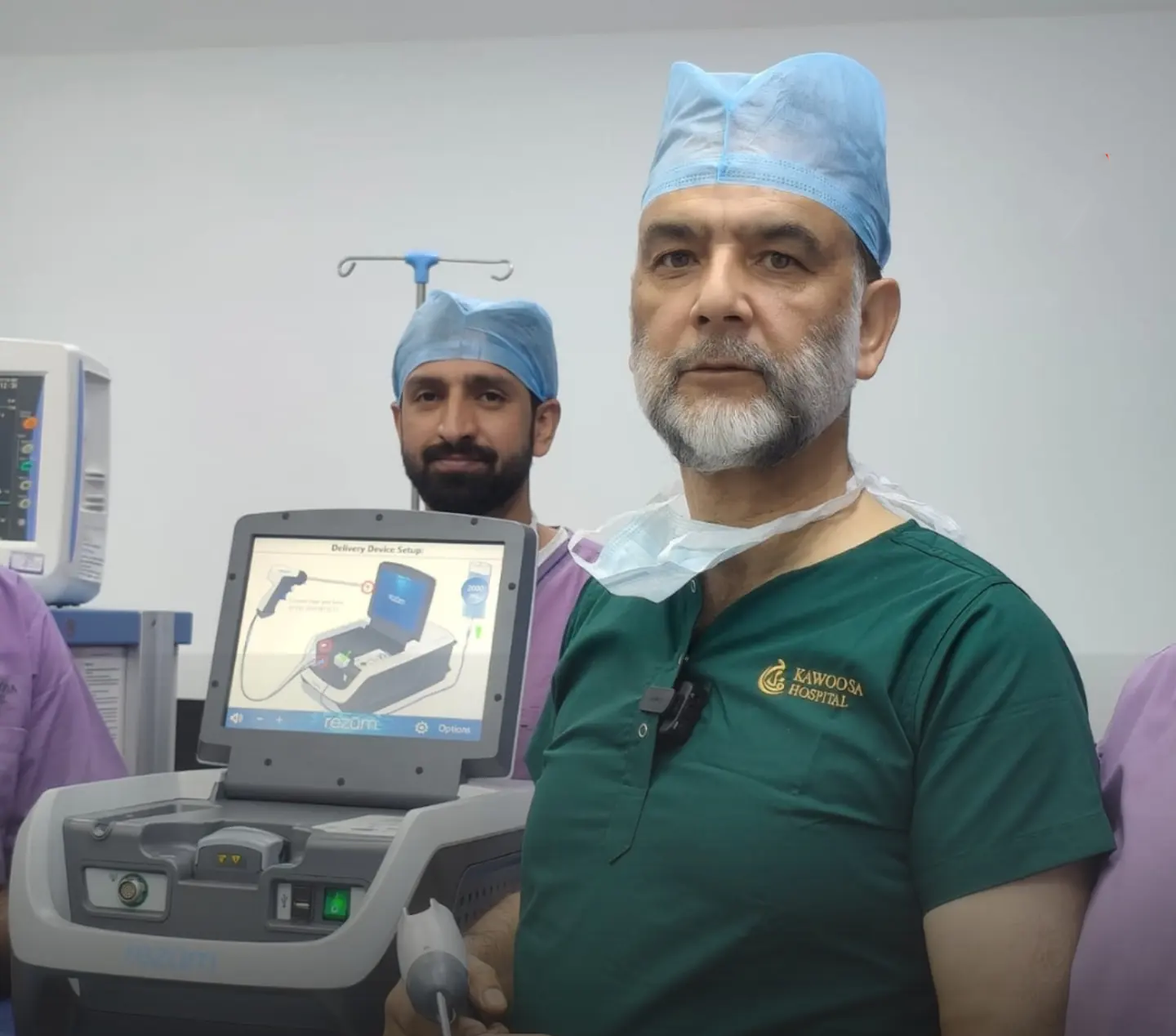
Srinagar, October 23: Kidney stones can recur even after treatment, making regular medical follow-up and preventive care essential, senior urologist Dr Saleem Wani said on Friday, urging patients to seek timely medical advice and avoid neglecting the condition.
Dr Wani said kidney stones have been known for centuries, with evidence of the condition also found in ancient Egyptian mummies.
He explained that several factors contribute to stone formation, including dietary habits and metabolic conditions. Calcium-based stones, particularly calcium oxalate and calcium phosphate stones, are among the most common types, while uric acid stones may develop in association with dietary and metabolic factors, including high animal-protein intake.
Some stones are linked to urinary tract infections and are known as struvite or infection stones, he said. He also referred to staghorn calculi, large stones that can occupy a substantial part of the kidney and require careful medical evaluation.
Explaining the symptoms, Dr Wani said kidney stones may cause pain in the back, side or waist, while some patients may experience urinary problems. In other cases, stones may remain unnoticed and be detected during investigations, including ultrasound examinations.
“The formation of a kidney stone does not necessarily mean it will be the last episode, as recurrence is possible whether a previous stone was removed surgically or passed with medical management,” he said.
The risk of recurrence varies from patient to patient and depends on factors such as the type of stone, its underlying causes and whether one or both kidneys are affected, he added.
Dr Wani stressed that patients should remain under medical supervision even after treatment, as identifying the reasons behind stone formation and adopting appropriate preventive measures can help reduce the risk of recurrence.
He said treatment depends on the size, location and type of stone, as well as the patient’s overall condition. While some stones may pass without surgery under medical supervision, others may require a procedure or surgical intervention.
He advised patients against deciding on treatment without consulting a specialist.
Kidney stones, medically known as renal calculi or nephrolithiasis, form when minerals and salts in urine crystallise and accumulate. The main types include calcium oxalate, calcium phosphate, uric acid, struvite and cystine stones.
Diagnosis may involve a medical assessment, urine and blood tests, and imaging procedures such as ultrasound or CT scans.